The oldest working tool there is, used honestly.
You light the match, and in that brief flare between striking and flame, something shifts in the room. The world doesn't change, but your relationship to it does. The candle accepts the fire, and suddenly there is a presence where moments before there was only space. You have just entered the most fundamental act of practical magic: the marriage of matter and spirit through focused intention.
The candle practice stands at the heart of all magical work, yet most who light candles never grasp its true mechanics. They speak of "sending energy" or "manifesting desires," missing the profound simplicity of what actually occurs. A candle is not a wish-delivery system or a spiritual telephone. It is a technology for transformation—yours.
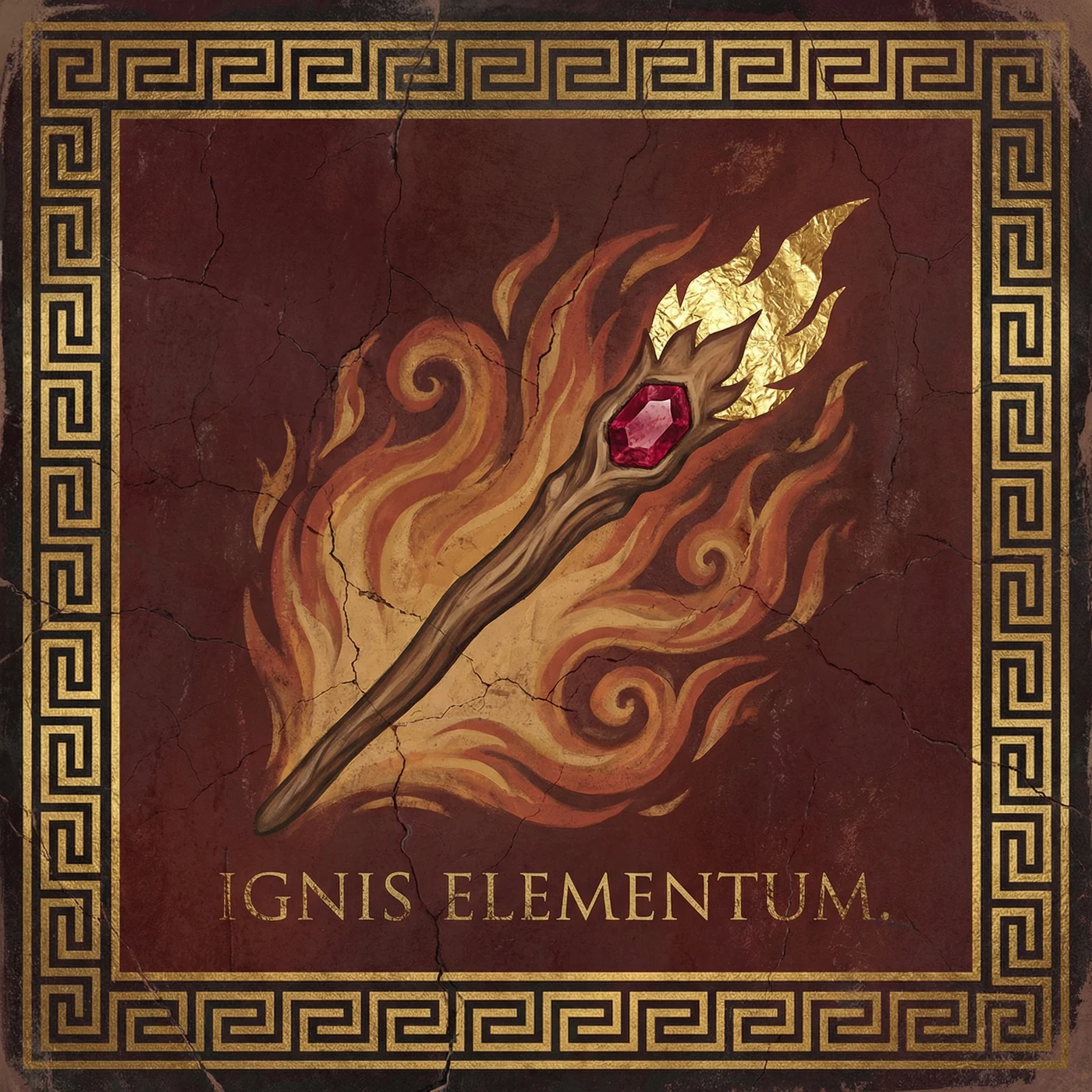
The Architecture of Flame
Every candle contains the same elemental structure that governs all magical operations. The wick rises through the center like the axis mundi, connecting earth to heaven. The wax forms the material foundation, the body that feeds the work. The flame itself becomes the meeting point where matter dissolves into light, where the physical world touches something beyond itself.
When you light a candle with intention, you create what the old practitioners called a "sympathetic link"—a connection between the microcosm of your focused will and the macrocosm of forces that shape reality. The flame becomes an anchor point, holding your intention in the physical world while simultaneously releasing it into subtler realms where change can take root.
This is why the simple act of lighting a candle can feel so different from merely turning on an electric light. The flame carries something alive, something that responds to attention and grows stronger when fed with focused awareness. Ancient practitioners understood that fire was the most spiritual of the elements, the closest to pure consciousness itself.
The Doctrine of One Flame, One Intention
The power of candle work lies not in complexity but in singular focus. Each flame can hold only one clear intention—one desire, one purpose, one prayer. Try to load a single candle with multiple wishes, and you create what traditional texts call "confusion of the work." The flame becomes a battlefield of competing energies rather than a clear channel for manifestation.
This principle emerged from centuries of practical observation. Medieval grimoires speak of candles that guttered and died when their operators attempted to serve too many masters. Renaissance mages learned to dedicate separate flames to separate purposes, understanding that clarity of intention was more powerful than abundance of desire.
The doctrine extends beyond simple practicality into the deeper mechanics of how consciousness shapes reality. When you bring genuine singular focus to any act, you align yourself with the natural flow of manifestation. The universe, it seems, responds to clarity with unexpected generosity, but meets scattered attention with proportionate confusion.
Consider how this operates in the third decan of Pisces, THE CUP OF BLOOD, where Mars rules alone. Here we find the raw power of will concentrated into its most potent form. Those working with candles under this influence discover that their flames burn with unusual intensity when their intentions carry this Martian clarity—direct, uncompromising, focused like a blade. The cup overflows not because it holds many things, but because it holds one thing completely.
The Ritual Architecture
Begin in darkness. This is not mere theater but practical necessity—you need to feel the difference the flame makes. Light your candle with a match rather than a lighter when possible. The match creates a bridge of fire, a moment where you participate in the creation of the flame rather than simply switching it on.
As the wick catches, speak your intention aloud, but only once. The words should be simple, present tense, and personal. Not "I want money to come to me" but "I receive abundance." Not "I hope my relationship improves" but "Love flows freely between us." The flame hears what you mean, not what you say, but clarity of speech helps clarify intention.
Sit with the flame for at least twenty minutes. This duration is not arbitrary—it takes approximately this long for your nervous system to fully attune to the candle's presence. Watch how the flame moves, how it responds to your breath, how your attention affects its behavior. You may find that moments of particularly clear focus cause the flame to brighten or still, while scattered thoughts make it dance restlessly.
When you sense the work is complete—and you will sense it, as a feeling of satisfaction or release—thank the flame and extinguish it deliberately. Never blow it out, as this scatters the energy you have built. Use a snuffer or pinch it gently with moistened fingers. The smoke that rises carries your intention into subtler realms where it can begin its work.
The Practice Deepened
Advanced practitioners learn to read the language of flames. A steady, bright fire indicates clear reception of your intention. A flame that dances wildly suggests internal conflict about your desire—part of you wants it, part resists. A flame that struggles to stay lit often points to intentions that fight against natural law or timing. The candle becomes a mirror, showing you the true state of your will.
Color correspondence adds another layer of precision. White candles work universally but lack specificity. Red serves desires of passion, courage, and vitality. Blue opens channels of communication and healing. Green draws abundance and growth. Black removes obstacles and provides protection. Yet color matters less than your conviction—a white candle lit with absolute faith will outperform the most perfectly matched colored candle lit with uncertainty.
The most powerful candle work often happens in series. Light the same candle each evening for seven consecutive nights, renewing the same intention. This creates what practitioners call "building the charge"—each night's work strengthens the previous night's, until by the seventh evening you have created a current of focused will that can move substantial obstacles.
Master practitioners sometimes work with the decanic calendar, timing their candle work to align with the most supportive celestial influences. A candle lit for healing during the passage through Cancer II: A WALLED GARDEN, ruled by Mercury and Mars under the protection of the sanctuary, carries additional power for restoration and recovery.
Your personal astrological blueprint holds deeper secrets for working with flame and intention. The Book of the Shadow reveals which decanic forces flow most strongly through your natal chart, showing you the optimal times and methods for your candle practice.