No fire, no water — what an absent element actually means.
You know that feeling when you walk into a room and immediately sense what's absent—not the furniture that's there, but the warmth that isn't, the conversation that never starts, the ease that doesn't come. Your birth chart works the same way. The elements you carry create the weather you naturally inhabit, but the elements you're missing? They create the weather you spend your whole life trying to understand.
Most people know their Sun sign's element—fire, earth, air, or water—and maybe they've heard that they're "lacking earth" or "heavy in water." But this surface reading misses the deeper meteorology of your chart. The missing elements aren't just absent energies you need to supplement, like taking vitamins. They represent entire climates of experience that remain foreign to your nature, yet paradoxically essential to your completeness.
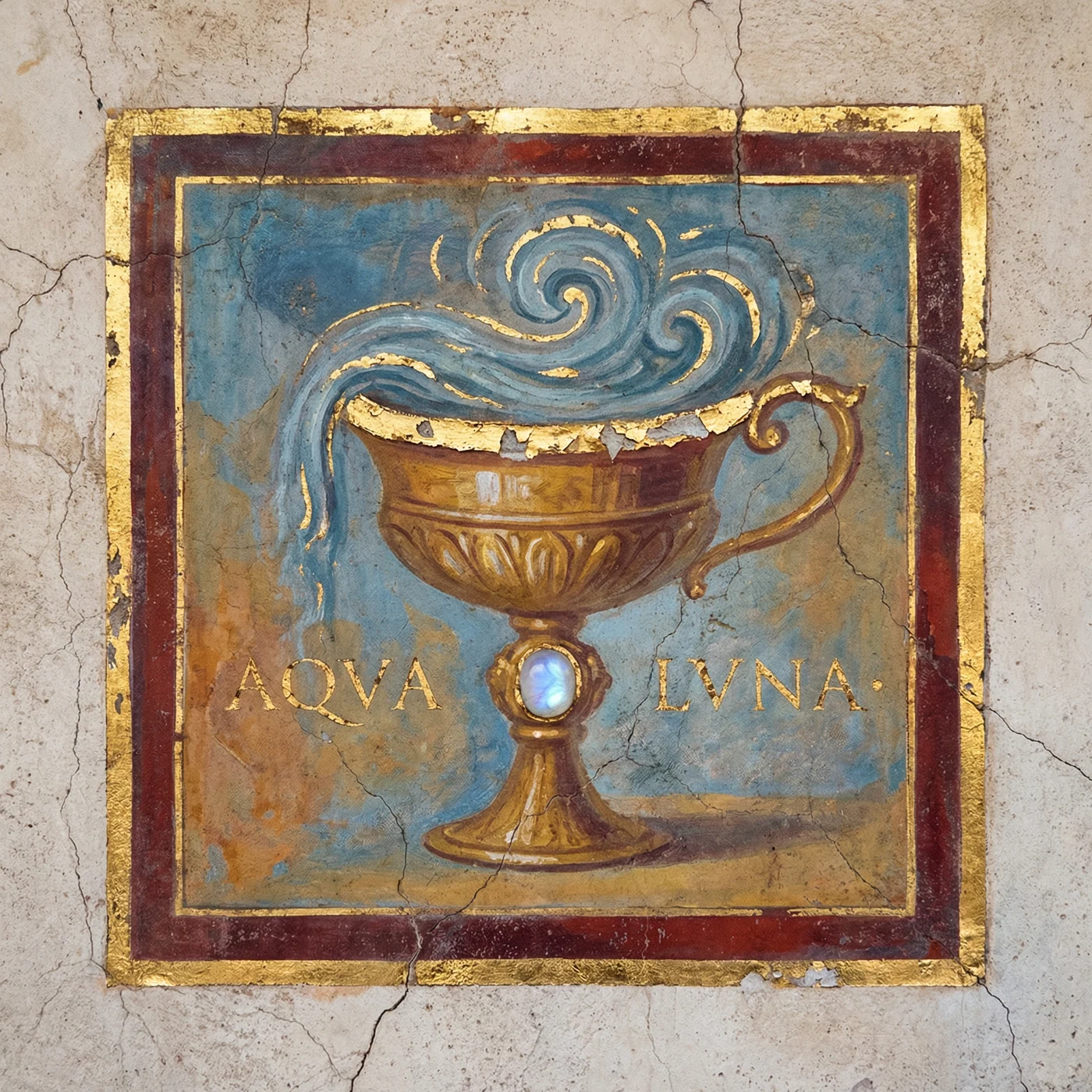
The Absent Orchestra
Elements in astrology function like instruments in an orchestra. Fire provides the percussion—the driving beat, the sudden cymbal crash of inspiration, the steady timpani of will. Earth supplies the bass line—the deep, thrumming foundation that keeps everything grounded and rhythmically stable. Air carries the melody—the soaring strings and wind instruments that communicate meaning and create movement between themes. Water flows as harmony—the subtle interweaving of voices that creates emotional resonance and depth.
When you're missing an element entirely, or have it severely underrepresented, it's as if your inner orchestra is missing an entire section. The music still plays, but it plays in a way that leaves certain frequencies unexpressed, certain emotional territories uncharted. A person with no water planets might navigate life with brilliant clarity and strong purpose, but find themselves perpetually mystified by the underground rivers that move other people—the unspoken emotional currents, the way feelings change the meaning of words, the necessity of sometimes making decisions from the heart's knowledge rather than the mind's logic.
The missing element creates what we might call a "perceptual blind spot"—not a weakness, exactly, but a gap in your natural sensory equipment. It's weather you don't automatically read, climate you don't instinctively dress for. Yet because life requires all four elements for completion, you find yourself repeatedly thrust into situations where the missing element becomes essential.
The Compensatory Dance
Here's where the astrology becomes both practical and profound: when an element is missing from your chart, you don't simply lack those qualities. Instead, you develop compensatory strategies that can become your greatest strengths. The person with no earth learns to ground themselves through other elements—perhaps using water's intuitive sensing to know when they need stability, or air's analytical power to create systematic approaches to practical matters.
Consider someone born with planets only in fire and air—pure yang energy, all inspiration and communication, with no earth or water to provide ballast. This person might seem to live in a state of constant forward motion, generating ideas and pursuing visions with inexhaustible enthusiasm. But the missing elements create a specific type of life challenge: they must learn to work with matter and emotion through borrowed strategies rather than instinctive understanding.
The fire-air combination naturally wants to leap from inspiration to manifestation, but without earth's patient building or water's responsive sensitivity, they might find their brilliant plans crashing against the practical world's resistance or other people's emotional needs. They develop what we call "learned earth"—systematic approaches to grounding that become second nature but require conscious effort. They cultivate "acquired water"—emotional intelligence built through observation and practice rather than natural fluency.
This compensation often produces remarkable versatility. When you can't rely on an element being naturally available, you become resourceful in unusual ways. The earthless person might develop an extraordinary ability to work with whatever materials present themselves. The waterless person might develop penetrating insight into emotional dynamics precisely because they've had to study what others simply feel.
The Magnetism of the Missing
Perhaps the most fascinating aspect of missing elements is how they create unconscious magnetism in your life. You find yourself repeatedly drawn to people, places, and situations that provide the missing weather. The person with no water often surrounds themselves with deeply emotional friends, partners who live in feeling states they find both fascinating and bewildering. The person missing fire consistently finds themselves in high-energy environments, around people who embody the passion and spontaneity they admire but cannot naturally access.
This magnetism operates below conscious awareness most of the time. You might notice that your closest relationships consistently involve people who express your missing element strongly, but not recognize the pattern. You're unconsciously seeking completion, trying to experience through proximity what you cannot generate from within.
But here's the crucial point: this attraction to your missing element is both a gift and a trap. The gift is that you're naturally drawn toward experiences that will teach you what you most need to learn. The trap is that you might try to live your missing element through other people rather than developing your own relationship with it.
Take someone with minimal earth—only one planet in Taurus, Virgo, or Capricorn—who consistently partners with highly practical, grounded people. They might unconsciously delegate all earth functions to their partner: financial planning, household management, long-term practical thinking. This creates a kind of elemental codependency where they never develop their own earth skills because they're always borrowing someone else's.
The Seasonal Teachings
Your missing element also creates predictable seasonal challenges and gifts in your life. During periods when transiting planets heavily emphasize your missing element, you experience it like sudden weather changes—sometimes refreshing, sometimes overwhelming, always requiring adjustment.
If you're missing water and Mars spends months transiting through Cancer, Scorpio, and Pisces, you might find yourself in an unusually emotional period, making decisions based on feelings rather than your usual logical criteria. This can feel destabilizing—like trying to navigate in fog when you're used to clear visibility—but it's also profoundly educational. These transits force you to develop fluency in your missing element's language.
The key insight is learning to recognize these periods as temporary immersions rather than permanent changes to your nature. You're not becoming a water person; you're learning to speak water temporarily, the way you might learn enough Spanish to navigate Mexico City. The goal isn't fluency but functionality—developing enough familiarity with the missing element's climate to work with it when life requires it.
Consider someone missing fire who finds themselves in a leadership role during a dynamic entrepreneurial phase of their life. Their natural earth-water-air combination serves them well for planning, sensing team dynamics, and communicating vision. But the fire required for bold decision-making, risk-taking, and inspirational leadership must be consciously cultivated. They learn to "channel fire"—drawing on their earth for sustained courage, their water for passionate commitment to their values, their air for articulating inspiring possibilities.
This borrowed fire feels different from natural fire. It's more deliberate, more carefully maintained, but often more sustainable because it's supported by the other elements' stability. The missing element, when finally integrated, often becomes a person's most conscious and therefore most refined expression.
Working with Absence
The practical work with missing elements involves three phases: recognition, experimentation, and integration. Recognition means mapping your elemental distribution clearly. Count planets, asteroids, and angles in each element. Notice which element appears only once or twice, or not at all. Pay attention to your automatic reactions when you encounter that element strongly in other people—do you find it fascinating, irritating, incomprehensible, or magnetic?
Experimentation means consciously exposing yourself to your missing element's activities and environments. If you're missing earth, spend time in nature, work with your hands, practice financial planning, engage in physical exercise that emphasizes strength and endurance rather than speed or flexibility. If you're missing water, practice meditation, spend time near bodies of water, explore artistic expressions that tap emotion, learn to make some decisions based on how they feel rather than how they think.
The key is approaching these experiments as research rather than self-improvement. You're not trying to become an earth person or a water person; you're learning to speak enough of their language to function in situations where it's required.
Integration means developing your own style of expressing the missing element through your available elements. The person missing fire might learn to create fire through earth's sustained effort combined with air's strategic thinking. The person missing water might access emotional wisdom through fire's passionate commitment to their values combined with earth's attention to what actually works in relationships over time.
This personalized expression of the missing element often becomes a signature strength. Because you've had to work for it, you understand its mechanics in ways that people born with natural access might not. Your "learned water" might be more intentional and therefore more healing than someone's unconscious water. Your "acquired fire" might be more focused and therefore more effective than someone's natural fire.
The ultimate goal isn't elemental balance in the sense of having equal amounts of everything. It's elemental literacy—the ability to recognize what element a situation calls for and to access that energy through whatever combination of your natural elements makes it possible. Your missing element becomes not a lack but a specialty—an area where your conscious development has created unusual skill and awareness.
The Book of the Self maps this elemental weather system in detail, showing not just what elements you carry but how they interact, where the gaps create learning opportunities, and how your particular combination of presence and absence creates the unique climate of your becoming.