Pluto in the fourth house — where that energy actually plays out in a life.
You know the feeling of coming home to a house that doesn't quite feel like yours anymore. The walls hold memories that seem to belong to someone else entirely, and the foundation beneath your feet carries tremors from earthquakes that happened before you were born. This is the territory of Pluto in the fourth house—where the deepest chambers of your private world become laboratories of transformation, and where the concept of "home" becomes something far more complex and powerful than simple comfort.
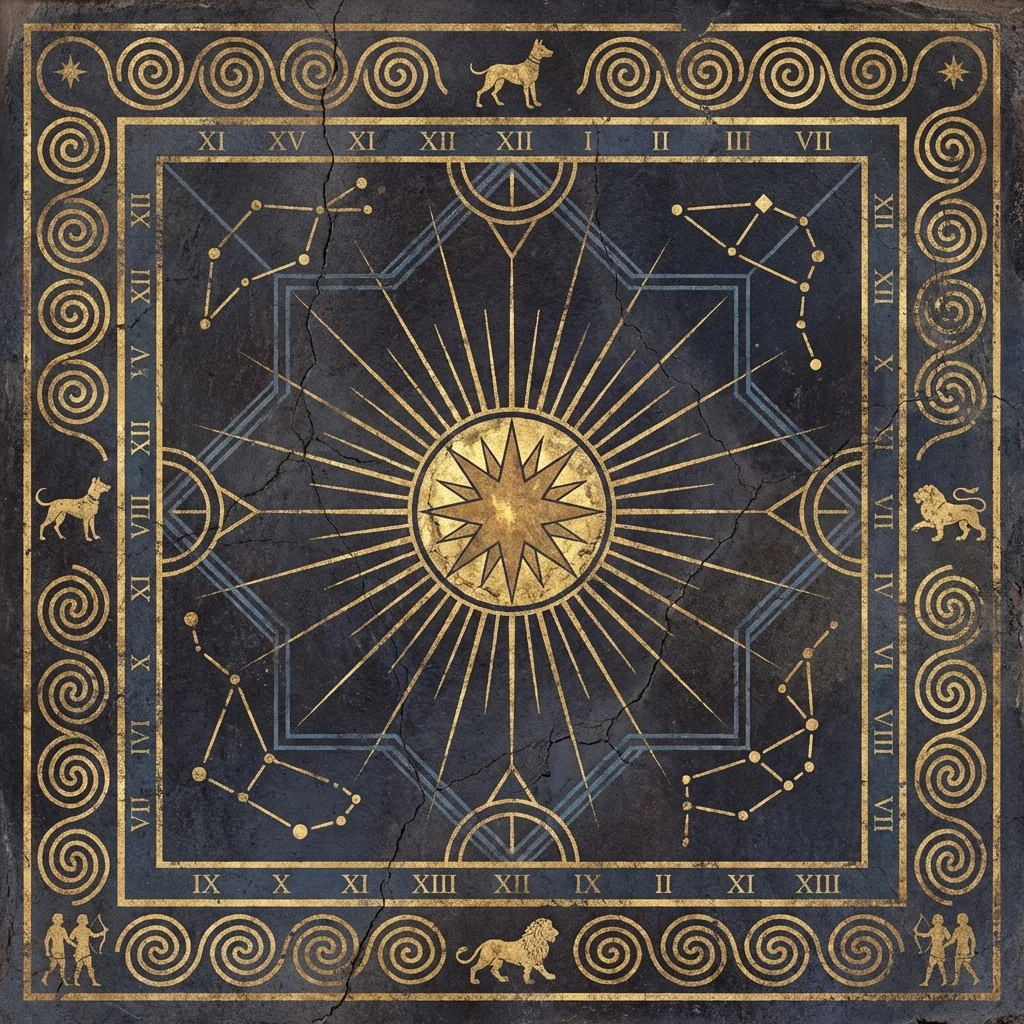
The Underworld Beneath the Hearth
When Pluto occupies the fourth house, it transforms the very notion of sanctuary into something resembling an initiation chamber. The fourth house, traditionally associated with home, family, roots, and the most private self, becomes infused with Pluto's relentless drive to uncover hidden truths and facilitate profound metamorphosis. This placement suggests that your deepest sense of security and belonging is intimately connected to processes of death and rebirth.
Unlike the surface-level domestic concerns that might occupy others, your relationship with home and family operates on archaeological levels. You instinctively dig beneath the presented narrative of your lineage, sensing the buried stories, the family secrets, the generational patterns that others might prefer to leave undisturbed. Your psyche seems naturally equipped with tools for excavating the emotional and psychological inheritance that shapes your foundational sense of self.
This placement often indicates that your early environment was somehow touched by Plutonian themes—intense emotional undercurrents, power struggles, secrets, or transformative crises that shaped the family system. Perhaps there were unspoken truths that everyone knew but no one acknowledged, or perhaps your family weathered significant upheavals that taught you early that security could be both destroyed and rebuilt from the ground up.
The Inheritance of Shadows
Your family history likely contains stories of survival, regeneration, and the kind of resilience that emerges only from having faced genuine threat. You may find yourself drawn to understanding not just what happened to your ancestors, but why certain emotional patterns persist through generations like underground rivers. The comfortable family myths don't satisfy you—you need to understand the psychology beneath the genealogy.
This creates a particular relationship with privacy that goes beyond simple introversion. Your inner world becomes a kind of sacred space where deep psychological work takes place, often invisible to others. You may find that your most significant transformations happen in solitude, in the private chambers of your psyche where you process not just your own experiences but the inherited emotional material of your entire lineage.
The fourth house traditionally represents the foundation of the personality, and with Pluto here, that foundation is built on your capacity to transform rather than on any fixed sense of identity or security. You learn early that nothing lasts forever, but you also discover your remarkable ability to rebuild yourself from whatever remains after the storms pass.
The Alchemy of Belonging
Consider someone with this placement who grew up in a house where the adults spoke in careful half-sentences about a grandmother's "difficult life," never quite explaining why family photos from certain years were missing, or why certain names weren't mentioned at holiday gatherings. As a child, they developed an almost supernatural sensitivity to the emotional undercurrents that ran beneath the surface of family interactions.
As an adult, they find themselves naturally gravitating toward work in psychology, genealogical research, or other fields that involve uncovering hidden patterns. Their own home becomes a place of intentional transformation—not just a retreat from the world, but a laboratory where they actively engage with their psychological inheritance. They might discover through research or family conversations that their grandmother survived trauma that was never discussed, and suddenly the family's particular emotional patterns begin to make sense.
Their relationship with their living space reflects this deep psychological work. They're drawn to homes with history, places that seem to hold stories in their walls. They renovate not just for aesthetic reasons but as a form of psychological archaeology, uncovering the structure beneath surface appearances. Their decorating choices often reflect their current stage of inner transformation—they might find themselves completely rearranging their space after significant personal breakthroughs, as if their external environment needs to match their internal landscape.
When they eventually create their own family unit, they bring conscious awareness to generational patterns that previous generations might have perpetuated unconsciously. They understand that true security comes not from maintaining comfortable illusions but from having the courage to face whatever truths emerge from the depths.
Working with Plutonian Foundations
Learning to work constructively with Pluto in the fourth house requires developing what might be called "conscious rootedness"—the ability to feel genuinely grounded while remaining open to transformation. This means cultivating a relationship with your private self that honors both your need for sanctuary and your need for growth.
Your home environment benefits from spaces dedicated to inner work—whether that's journaling, meditation, therapy, or simply quiet reflection. You need regular access to solitude that feels genuinely private, where you can process the deep psychological material that others might find overwhelming. This isn't about isolation but about having a secure base from which to engage in transformation work.
Developing a conscious relationship with your family history becomes crucial. This doesn't necessarily mean uncovering every family secret, but rather understanding the emotional and psychological patterns that have been passed down through your lineage. You have a gift for recognizing where healing needs to happen, both for yourself and potentially for your entire family system.
Your relationship with security evolves throughout your life. Early experiences may teach you that safety can be temporary, but maturity brings the recognition that your deepest security comes from your capacity to navigate change rather than from any external circumstances. You learn to create stability through psychological resilience rather than through trying to control your environment.
The fourth house also relates to the end of matters, and with Pluto here, you often find yourself serving as a guide for others during times of transition or completion. Your early initiation into the realities of transformation makes you particularly skilled at helping others navigate their own endings and beginnings.
The Deep Foundation
Pluto in the fourth house ultimately suggests that your greatest strength lies in your relationship with the invisible foundations of life—the psychological, emotional, and spiritual bedrock that supports all outer activity. You understand intuitively that surface appearances often mask deeper realities, and you're not satisfied with comfort that requires ignorance.
Your journey involves learning to trust the transformative processes that operate in the deepest levels of your psyche, recognizing that the periodic upheavals in your inner world serve the purpose of keeping your foundation authentic and strong. You discover that true belonging comes not from fitting into existing structures but from having the courage to honor your deepest truth, even when that truth requires you to rebuild everything from the ground up.
For those seeking to understand the complete landscape of their psychological inheritance and the hidden patterns that shape their deepest sense of self, The Book of the Self offers comprehensive exploration of your fourth house mysteries and their connections to your broader astrological signature.