Money, yes — but the deeper ledger is value itself.
You know the feeling when someone asks what you do for a living, and you realize they're not really asking about your work—they're trying to place you in the world's hierarchy of worth. The pause before you answer carries more weight than the words that follow. In that moment, you're calculating not just your professional identity, but your entire relationship with value itself. This is the domain of astrology's second house, where the question of worth extends far beyond bank balances into the deepest chambers of self-regard.
The Foundation of All Exchange
The second house governs what the ancient astrologers called "substance"—not merely money or possessions, but the fundamental principle by which we measure and exchange value in the world. Where the first house establishes that you exist, the second house asks what that existence is worth and how you will sustain it. This is the realm of resources both material and immaterial: your earning capacity and your self-esteem, your possessions and your talents, your relationship with money and your sense of inherent value.
Traditional astrology placed here all matters of wealth and poverty, gain and loss. But the house's true significance runs deeper than financial accounting. It represents your capacity to generate value—to transform raw potential into something the world recognizes as worthwhile. This includes obvious manifestations like salary and savings, but extends to subtler currencies: your time, attention, skills, and the ineffable quality of presence that makes you valuable to others.
The second house also governs your relationship with the physical world through ownership and stewardship. What you choose to possess, how you care for it, and what you're willing to sacrifice for it all fall under its influence. Yet possession here is not mere accumulation—it's about the complex dance between having and being had, between owning things and being owned by them.
The Taurus Connection
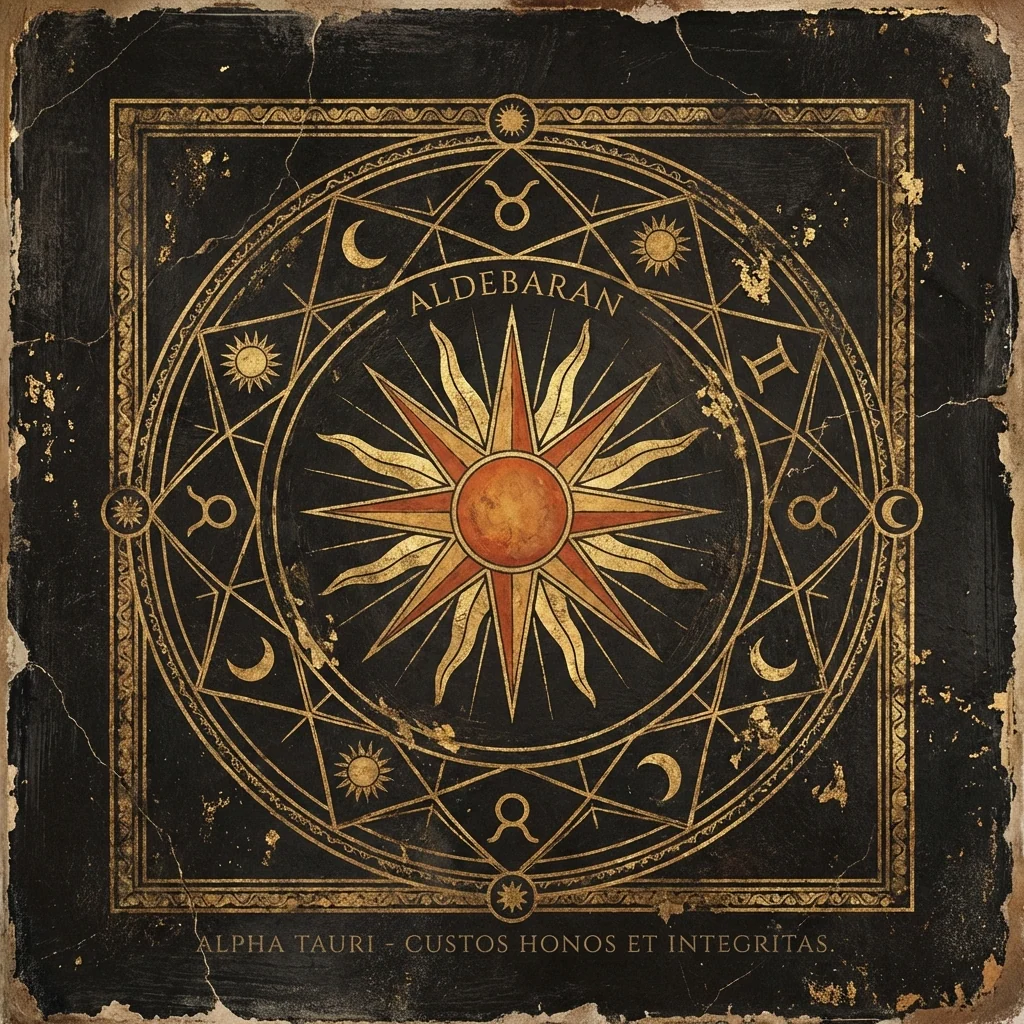
Understanding the second house requires grasping its natural affinity with Taurus, the sign of the builder and cultivator. Taurus energy moves slowly and deliberately, transforming abstract potential into concrete form. Like the farmer who turns seed into harvest, the second house represents your ability to manifest value through patient, sustained effort.
This Taurean influence explains why second house matters often develop gradually. Unlike the lightning strikes of sudden fortune, true security typically builds through consistent, methodical action. The house teaches the profound spiritual lesson embedded in material reality: that value must be cultivated, not merely claimed.
The three decans of Taurus illuminate different aspects of this process. In the early degrees, we find THE PLOW, ruled by Mercury and Venus—the meeting of practical intelligence with appreciation for beauty. This decan, corresponding to the Five of Pentacles in tarot, addresses material trouble not as punishment but as the initial resistance that strengthens our capacity to generate value. Those with significant placements here often discover their greatest assets through periods of apparent lack.
The middle decan, A LINGA-YONI, brings together Venus and Saturn in a symbol of creative union and disciplined manifestation. Corresponding to the Six of Pentacles, this portion of Taurus teaches the delicate art of reciprocal exchange—how to receive without diminishing yourself and give without depleting your resources. Here we learn that true wealth circulates rather than stagnates.
The final decan, A STRING OF PRAYER BEADS, operates under Saturn's sole rulership and connects to the Seven of Pentacles. This is the domain of patient evaluation, where we step back from constant doing to assess the fruits of our labor. The prayer beads suggest that this assessment carries spiritual significance—our relationship with material value reflects deeper questions about what we hold sacred and why.
The Hidden Curriculum
While most astrological interpretations focus on the second house's financial dimensions, its psychological curriculum is equally important. This house teaches self-worth through the mirror of external validation. How the world responds to your offerings—whether through payment, recognition, or rejection—becomes internalized as evidence of your inherent value. This creates a complex feedback loop where self-esteem and net worth influence each other in subtle but profound ways.
The second house also governs your relationship with pleasure and comfort. What you're willing to pay for reveals what you value; what you deny yourself shows where you feel unworthy. The house asks whether you operate from scarcity or abundance consciousness, and whether you can receive good things without guilt or suspicion.
This extends to your relationship with your own talents and abilities. The second house doesn't just represent money in the bank—it represents your capacity to generate money, the skills and qualities that make you valuable in the marketplace of life. Someone with a strong second house emphasis might have modest current assets but tremendous earning potential, while others might possess wealth they're unable to truly enjoy or wisely manage.
Consider someone born with Venus in Taurus in the second house—a placement that typically indicates both strong earning ability and refined taste. This person might find themselves caught between their capacity to generate wealth and their expensive preferences. Their path to financial security requires not just earning more, but developing discrimination between true quality and mere luxury. Their self-worth becomes intimately connected to their ability to create beauty and comfort, both for themselves and others.
The lesson here transcends bookkeeping. This person must learn that their value doesn't depend on external possessions, even as they develop the practical skills to acquire and maintain them. They must master the art of enjoying material pleasures without being enslaved by them—a more sophisticated challenge than simple accumulation or ascetic denial.
Working With Your Second House
To engage consciously with second house energy, begin by examining your relationship with money without judgment. Notice whether you approach financial matters with fear, aggression, guilt, or genuine curiosity. Your emotional responses to earning, spending, and saving reveal deep-seated beliefs about your worth and the nature of value itself.
Practice distinguishing between what you need and what you want, but don't assume needs are somehow more virtuous than desires. The second house teaches that pleasure and beauty are legitimate needs for human flourishing, not frivolous luxuries. The question isn't whether to enjoy material goods, but how to do so consciously and sustainably.
Develop awareness of your unique value-generating capacity. What skills, perspectives, or qualities do you possess that others find beneficial? How can you cultivate and refine these assets? The second house encourages you to think of yourself not as a passive recipient of fortune or misfortune, but as an active creator of value in the world.
Pay attention to your relationship with ownership and possession. What do you surround yourself with, and why? How do your possessions reflect your values and support your well-being? The goal isn't minimalism or maximalism, but conscious choice about what deserves space in your life.
Finally, explore the connection between self-worth and net worth in your own experience. While these shouldn't be identical, they're rarely completely separate. Healing your relationship with money often requires addressing deeper questions about deservingness, security, and what constitutes a life well-lived.
The second house ultimately teaches that value is both created and discovered, earned and recognized, material and spiritual. In learning to generate, manage, and enjoy resources wisely, you participate in the ancient human project of transforming potential into manifestation, dream into reality, worth into wealth in its fullest sense.
Your personal journey through these themes is mapped in precise detail in your birth chart, where the sign on your second house cusp, planets positioned there, and aspects to your second house ruler create a unique blueprint for your relationship with value in all its forms. The Book of the Self reveals exactly how these cosmic influences shape your path to security and self-worth.