Siblings, speech, short trips — the daily circuit.
You know the feeling of walking through your childhood neighborhood after years away. The streets seem smaller than memory painted them, yet every corner holds a story your body remembers before your mind catches up. This is the territory of the third house—not the grand highways of philosophy or the distant shores of higher learning, but the intimate geography where thought first learned to move, where the mind developed its particular way of navigating the world around it.
The third house governs the immediate environment of consciousness: siblings and neighbors, short journeys and daily communications, the mental habits formed in youth that become the foundation for how we process information throughout life. It is Mercury's natural domain, where the messenger god teaches us the arts of connection—how to speak and listen, how to move between here and there, how to gather the small pieces of data that collectively form our understanding of the world.
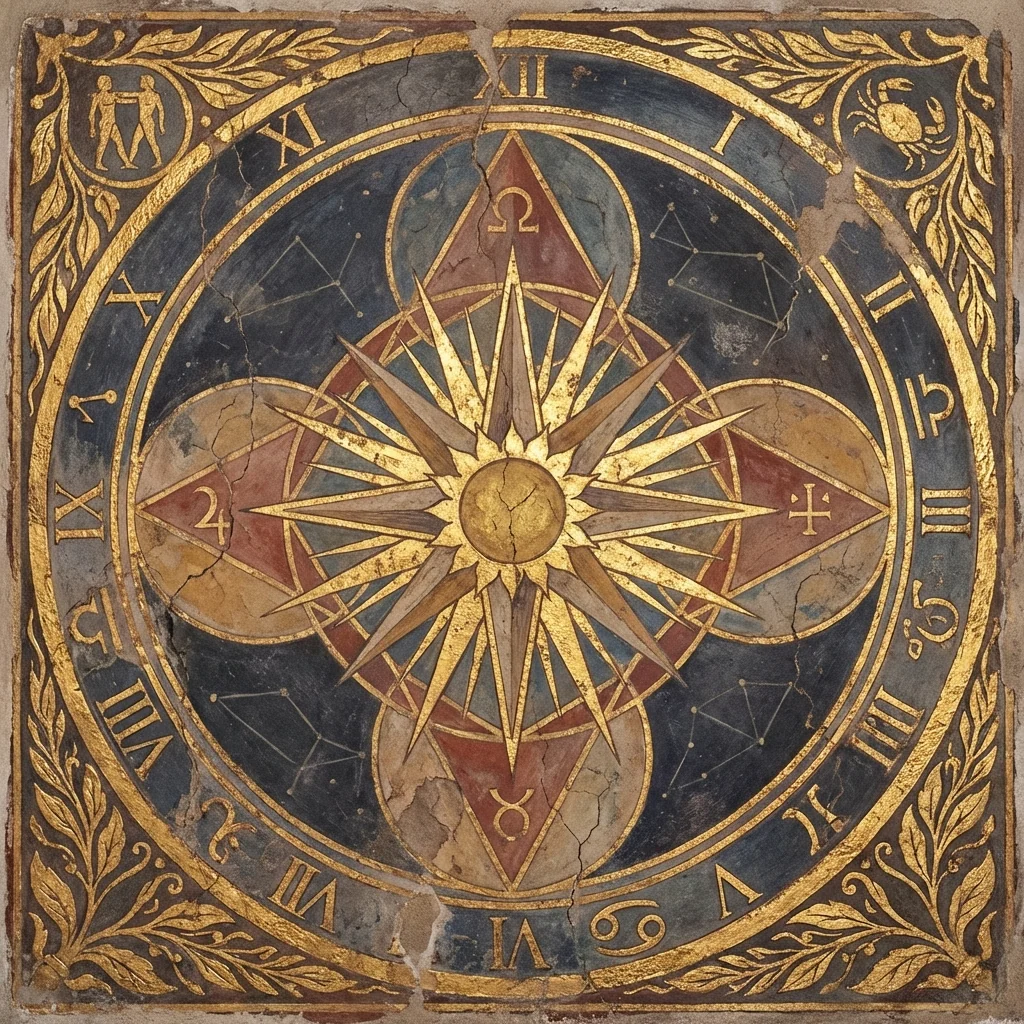
The Landscape of Local Learning
Unlike the fourth house's deep roots or the ninth house's distant horizons, the third house operates in the middle distance—close enough to touch, familiar enough to navigate without conscious thought. It encompasses everything within your natural sphere of daily movement: the school you attended, the neighbors who shared your fence line, the siblings who shared your breakfast table. These relationships shaped your communication style before you knew you had one.
The third house reveals why one person speaks in careful, measured sentences while another thinks out loud in rapid-fire bursts of association. It shows whether your mind prefers the comfort of familiar concepts or hungers for constant novelty. Most importantly, it demonstrates how you learned to translate your inner world into language others could understand—and how successfully that translation occurs.
This domain includes all forms of short-distance travel, from your daily commute to weekend excursions. But the deeper meaning points to how comfortable you are with movement itself—mental, physical, and social. Some third house signatures suggest a mind that travels light, quick to adapt and change direction. Others indicate a preference for well-worn paths and established routines of thought.
Mercury's Teaching Methods
Traditional astrology assigns Mercury rulership over the third house, but this connection runs deeper than simple correspondence. Mercury operates here as both messenger and translator, moving between different levels of consciousness and different modes of expression. When Mercury occupies its own house in a birth chart, it often suggests someone whose mental agility becomes their primary tool for navigating life's challenges.
The condition of Mercury—its sign, aspects, and dignity—colors the entire third house experience. Mercury in earth signs typically produces methodical, practical communication styles, while Mercury in fire signs tends toward dramatic, intuitive expression. Mercury in air signs often generates ideas faster than they can be fully developed, creating brilliant insights alongside occasional superficiality. Water sign Mercury speaks in emotional undertones and symbolic language that doesn't always translate directly.
Consider Mercury in THE HERMAPHRODITE, the second decan of Gemini, ruled by Mars and Venus and corresponding to the Nine of Swords, called "The Cruel Mind." This placement often produces sharp intelligence capable of cutting through deception, but it can manifest as mental cruelty—toward others and oneself. The mind becomes a weapon, words become blades, and the native must learn to distinguish between necessary discernment and unnecessary violence of thought.
When planets other than Mercury occupy the third house, they modify its basic character significantly. Venus here often creates a harmonious communication style and pleasant relationships with siblings and neighbors. Mars can produce argumentative tendencies or competitive relationships within the immediate environment. Jupiter typically expands the scope of daily learning and travel, while Saturn may restrict or delay early education but ultimately produces disciplined thinking.
The Sibling Laboratory
The third house relationship most people recognize first is the sibling dynamic, but astrology views siblings as something more profound than family accident. Your brothers and sisters—biological or chosen—represent your first experience of peer relationships, your earliest laboratory for learning how to communicate with equals rather than authority figures.
The planets occupying your third house often manifest through sibling personalities or dynamics. If you have Mars in the third house, you might have an aggressive sibling, or your relationship with siblings might involve competition and conflict. Venus in the third house frequently corresponds to harmonious sibling relationships or siblings involved in artistic pursuits. Saturn here can indicate older siblings who seemed more like authority figures, or delayed relationships with brothers and sisters that strengthen over time.
But the deeper teaching concerns how these early peer relationships shaped your communication patterns. Did you learn to compete for attention through cleverness? Did you develop diplomatic skills to mediate household conflicts? Did you retreat into solitary learning because sibling relationships felt too complex or demanding? These patterns, established early, often repeat throughout your life in friendships, work relationships, and casual social interactions.
The third house also governs your relationship to your immediate community—the neighbors, local merchants, and familiar faces that form the backdrop of daily life. Some third house signatures suggest natural community builders who know everyone on their street. Others indicate a more reserved approach to local relationships, preferring privacy to neighborly intimacy.
The Mental Neighborhood
Your third house reveals not just how you communicate, but how your mind organizes information and moves between different topics. It shows whether you think linearly or associatively, whether you prefer concrete facts or abstract concepts, whether you learn better through reading or conversation.
The traditional correspondence between the third house and short journeys points to mental restlessness—the need for variety and stimulation to keep the mind engaged. Some third house configurations suggest minds that work best when physically moving, thinking more clearly during walks or drives than while sitting still. Others indicate a preference for mental travel, exploring ideas rather than places.
This house also governs your relationship to learning itself. Not the formal education of the ninth house or the specialized training of the sixth house, but the constant, informal education that happens through daily life. How quickly do you pick up new information? Do you prefer to master subjects thoroughly or sample many topics lightly? Can you change your mind easily when presented with new evidence, or do you defend your existing beliefs?
The third house shows whether you naturally think like a student or a teacher—and whether you can shift between these modes as circumstances require. Strong third house emphasis often produces natural teachers who learn best when they can immediately share new information with others.
Working with your third house signature means becoming conscious of your automatic mental patterns and communication habits. If you have challenging aspects to third house planets, you might need to actively develop flexibility in how you express your ideas. If your third house is strongly emphasized, you might need to balance your love of information-gathering with deeper contemplation.
Pay attention to how you respond to your immediate environment. Does familiarity comfort you or bore you? Do you thrive on routine or require constant variety? Understanding your third house helps you create living and working environments that support rather than hinder your natural mental processes.
Practice active listening with siblings, neighbors, and peers. The third house teaches through dialogue rather than monologue. Notice when you're truly hearing others versus simply waiting for your turn to speak. Experiment with different communication styles—write letters, have phone conversations, engage in debates—to discover the full range of your expressive capabilities.
The neighborhood of the mind is both intimate and infinite. Within the familiar boundaries of daily experience lies access to the entire universe of human knowledge and connection. Your third house shows you the particular path your consciousness naturally travels, and mastering that path becomes the foundation for all further learning and communication.
For those seeking to understand their complete astrological signature, including the subtle dynamics of mental processing and communication revealed through the third house, The Book of the Self offers a comprehensive exploration of your birth chart's deepest patterns and most practical applications.