Uranus in Capricorn — the generation that carries it, and what it does in a private chart.
You remember the moment when the internet stopped being magic and became infrastructure. When the personal computer transformed from revolutionary gadget to mundane necessity. When the Berlin Wall fell not in romantic upheaval but through bureaucratic inevitability, processed by committees and translated into policy papers. If you lived through the years between 1988 and 1996, you witnessed Uranus in Capricorn—the slow-motion revolution that rebuilt the world's operating system from the inside out.
Unlike the dramatic lightning-strike disruptions we associate with the planet of rebellion, Uranus in Capricorn worked through existing power structures, transforming them so thoroughly that what emerged looked almost respectable. This was revolution in a business suit, carried out by middle managers and implemented through spreadsheets. The old world didn't collapse—it was methodically upgraded.
The Architecture of Institutional Revolution
Uranus spends approximately seven years in each sign, marking generational shifts in how collective innovation unfolds. When this planet of sudden change and technological breakthrough moves through Capricorn—the sign of established authority, corporate hierarchy, and governmental power—it creates a unique paradox. Revolution becomes institutionalized. Rebellion gets a pension plan.
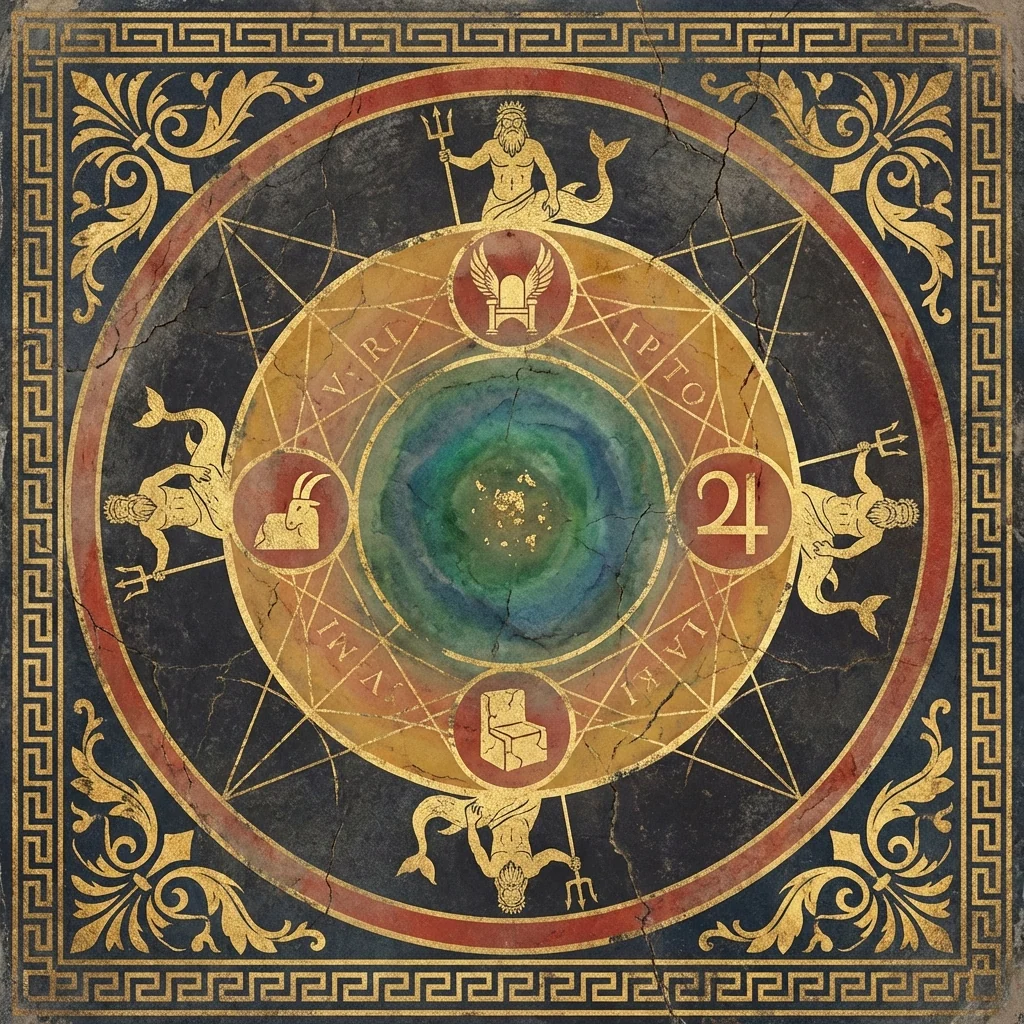
The Capricorn influence shapes Uranian energy through its three decans, each adding layers of meaning to this generational signature. The first decan, A HEADLESS BODY ruled by Jupiter and corresponding to the Two of Pentacles, speaks to the disorienting descent into material restructuring. Here, consciousness sinks so deeply into systematic transformation that the broader vision can be temporarily lost—we become so focused on rebuilding the infrastructure that we forget why we started. The second decan, THE PYRAMID ruled by Mars and Venus and aligned with the Three of Pentacles, reveals the collaborative construction phase where revolutionary ideas become concrete projects requiring teams, blueprints, and sustained effort. The third decan, THE THRONE ruled by Sun and Mercury and connected to the Four of Pentacles, shows the consolidation of new power structures, where yesterday's innovations become today's establishment.
This progression from disorientation through construction to consolidation perfectly describes how Uranus in Capricorn operates. It takes the lightning of inspiration and runs it through the slow, deliberate machinery of institutional change. The result is transformation that feels both radical and inevitable, disruptive yet structured.
The Corporate Revolutionaries
Those born with this placement carry within their psychic DNA the blueprint for working change through established channels. They understand intuitively that the most lasting revolutions happen not when you tear down the castle, but when you rewire its electrical system. They are the hackers who become system administrators, the activists who run for city council, the artists who transform corporate culture from within.
The Uranus in Capricorn generation exhibits a fascinating relationship with authority—simultaneously respectful and subversive. They rarely stage dramatic revolts, but they possess an uncanny ability to identify which load-bearing walls in an institution can be removed without bringing down the entire structure. They know that true power often lies not in the corner office but in understanding how information flows through an organization, where the real decisions get made, and which forms need to be filed in what order.
This placement creates individuals who can speak the language of both revolution and management consulting. They translate visionary concepts into project timelines, turn social movements into nonprofit organizations, and find ways to make radical ideas profitable enough to attract investment capital. Where previous generations might have seen selling out, they see scaling up.
The Technology of Gradual Upheaval
The historical period of Uranus in Capricorn from 1988 to 1996 provides a perfect case study in how this energy manifests collectively. The personal computer revolution reached maturity not through garage inventors but through corporate adoption. IBM-compatible machines became the standard not because they were the most innovative, but because they provided a stable platform that businesses could trust. The internet evolved from a military research project into the backbone of global commerce through careful institutional development rather than anarchic expansion.
Even political upheavals during this period followed the Capricorn pattern. The Soviet Union didn't collapse in fiery revolution but dissolved through bureaucratic processes. Apartheid ended through negotiated transitions and constitutional conventions. The European Union took shape through treaties and trade agreements. Each transformation was simultaneously radical and procedural, earth-shaking yet accomplished through proper channels.
Consider how environmental consciousness shifted during these years—not through counter-cultural protest alone, but through the emergence of "green business" as a legitimate sector. Recycling became municipal policy. Energy efficiency became corporate strategy. The revolution happened when sustainability reports became standard corporate documents, when environmental impact assessments became regulatory requirements, when "green" became a marketing category that drove consumer behavior and shareholder value.
Working with Institutional Lightning
Understanding your relationship to this generational signature requires examining how you approach systemic change in your own life. Do you find yourself drawn to transformation through established pathways? Are you more effective working within existing structures than against them? Do you possess an instinct for identifying which rules can be bent and which must be respected?
The Uranus in Capricorn approach to personal transformation often involves what might be called "strategic patience"—the willingness to spend years laying groundwork for changes that, when they finally emerge, appear to happen overnight. This might manifest as quietly acquiring credentials that will later provide access to positions of influence, building professional networks that can eventually support innovative projects, or developing expertise in regulatory frameworks that govern the fields you want to transform.
This placement particularly favors those who can function as translators between different worlds—interpreting technological possibilities for traditional institutions, explaining regulatory realities to creative visionaries, or helping grassroots movements understand how to navigate bureaucratic processes. The key is recognizing that working within the system doesn't mean accepting its limitations, but rather understanding its mechanisms well enough to redirect them toward new purposes.
For those seeking to activate this energy more consciously, the practice involves identifying existing structures in your environment that could be repurposed rather than replaced. Instead of creating entirely new organizations, consider how established institutions might be guided toward serving different ends. Rather than rejecting traditional career paths, explore how conventional professional roles might be redefined to accommodate innovative approaches.
The Book of the Self offers detailed analysis of how Uranus in Capricorn appears in individual birth charts, including its aspects to other planets and its placement within the broader pattern of your personal astrology, providing specific guidance for working constructively with this generational signature in your unique circumstances.