Venus in the fourth house — where that energy actually plays out in a life.
You have always known that love lives in small moments — the way afternoon light falls across a kitchen table, the particular weight of a door closing behind someone returning home, the specific quality of silence that settles when all the day's necessary words have been spoken. Others chase romance in grand gestures and public declarations, but you understand that the heart's truest territory lies in the intimate architecture of daily life.
This knowing runs deeper than preference or personality. When Venus, the planet that governs love, beauty, and desire, takes residence in the fourth house of home, family, and emotional foundations, it reshapes how affection moves through your world. The fourth house represents the most private chambers of existence — not just the physical spaces where you live, but the emotional bedrock upon which everything else is built.
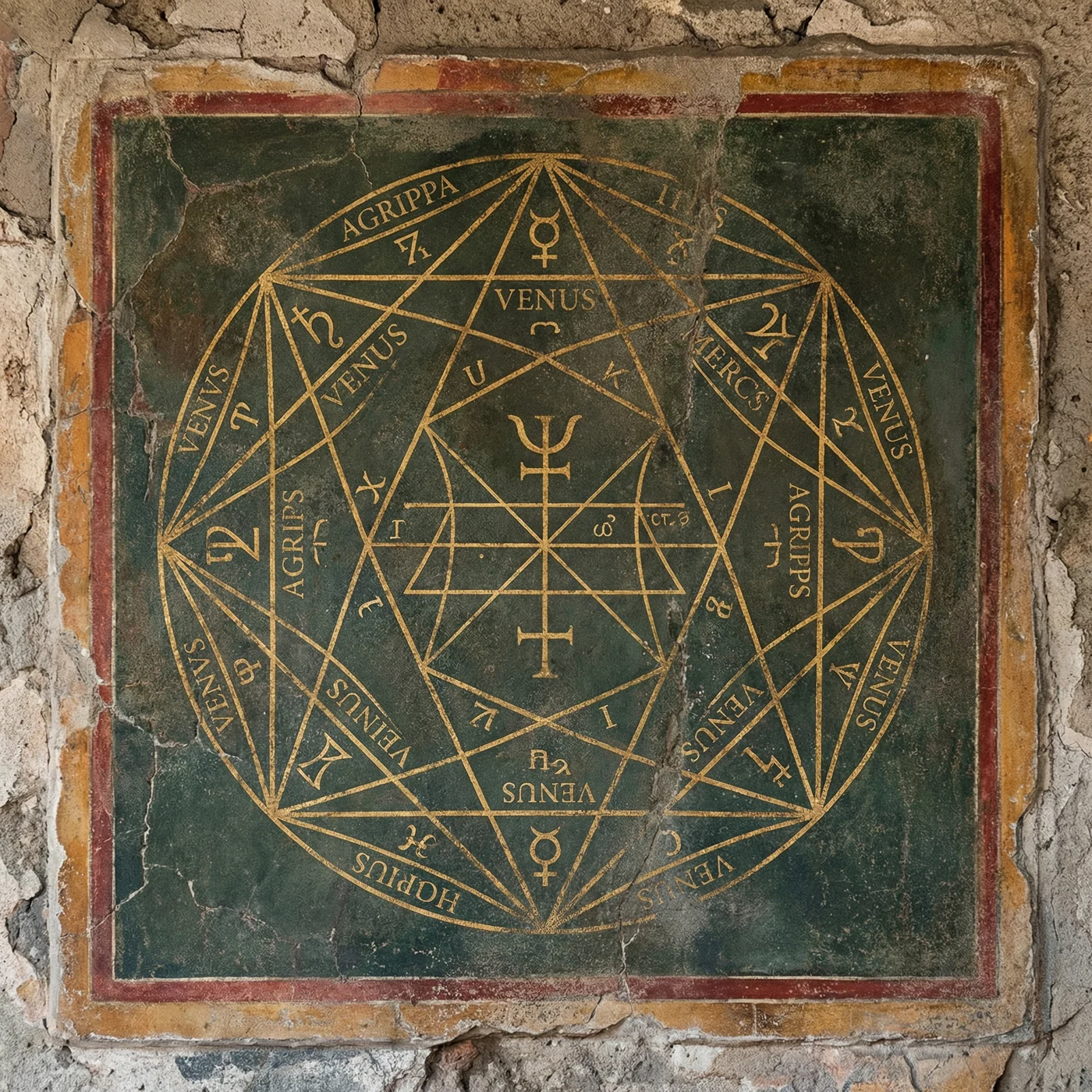
The Geography of Intimate Love
Venus in the fourth house creates a love nature that seeks beauty in belonging rather than conquest. Where others might express affection through dramatic displays or social performance, your Venus operates like a master architect of domestic harmony. You are drawn to relationships that feel like coming home — partnerships where love expresses itself through shared rituals, comfortable silences, and the gradual accumulation of private jokes and inside references.
This placement often manifests as an exceptional ability to create beautiful living spaces. Your home becomes an extension of your heart, carefully curated to reflect not just aesthetic preferences but emotional needs. You understand intuitively that environment shapes feeling, that the right lighting or furniture arrangement can foster intimacy as surely as any romantic gesture. Friends likely describe your home as unusually welcoming, a place where they feel immediately at ease.
The fourth house governs not only your current home but your relationship to family and ancestry. Venus here often indicates that your understanding of love was profoundly shaped by early experiences — either through witnessing genuine warmth between family members or, conversely, through recognizing what was missing and resolving to create it yourself. You may find yourself naturally taking on the role of family harmonizer, the one who remembers birthdays, organizes gatherings, and maintains connections across generations.
The Ancient Roots of Domestic Venus
The tradition that places Venus in the fourth house draws from the understanding that love, like a plant, requires proper soil to flourish. Ancient astrologers recognized that the fourth house corresponds to the most foundational elements of human experience — the tribal bonds that ensure survival, the seasonal rhythms that govern agricultural life, the ancestral knowledge passed down through generations of shared meals and bedtime stories.
In this context, Venus becomes less the goddess of passionate romance and more the deity of hearth fires and harvest festivals. Her influence here speaks to love as sustenance rather than intoxication, affection as the steady flame that warms rather than the lightning that illuminates and vanishes. This Venus understands that true intimacy develops slowly, like wine aging in a cellar, acquiring complexity and depth through time and patience.
The fourth house has always been associated with the Moon's natural domain, representing the cyclical, nurturing, protective instincts that ensure continuity. When Venus joins this lunar territory, she brings an appreciation for the aesthetic dimensions of nurturing. You likely have strong opinions about food presentation, the importance of comfortable seating arrangements, the way music can transform a simple dinner into a memorable experience.
What This Explains That Surface Understanding Cannot
Many people with Venus in the fourth house report feeling misunderstood in romantic relationships, particularly in the early stages. Partners may interpret your preference for quiet evenings at home as lack of passion, or your desire to introduce them to family members as premature seriousness. What they fail to recognize is that for you, love and domestic integration are not separate processes — they are the same process.
This placement also explains why you may struggle in relationships that remain superficial or compartmentalized. You cannot thrive with someone who keeps you separated from their real life, who treats romance as a separate category from daily existence. Your Venus needs to see how a potential partner handles ordinary Tuesday afternoons, how they respond to household crises, whether they understand that love expresses itself as much through shared grocery shopping as through candlelit dinners.
You may also notice that your aesthetic preferences run toward the timeless rather than the trendy. While others redecorate frequently or follow fashion cycles, you are drawn to objects and styles that improve with age, that tell stories, that create continuity between past and present. Antiques, family heirlooms, handmade items, and natural materials likely appeal to you more than mass-produced contemporary pieces.
The fourth house Venus often manifests as exceptional skill in creating what might be called "emotional hospitality." You understand how to make others feel genuinely welcome, not through elaborate entertainment but through authentic attention to their comfort and needs. This gift extends beyond your own home — you likely excel at helping friends through difficult transitions, at creating safe spaces for vulnerable conversations, at knowing exactly what someone needs when they are struggling.
A Living Example
Consider Sarah, whose Venus resides in the fourth house in Taurus. Her apartment reflects her Venusian nature — warm wood furniture inherited from her grandmother, plants in every room, a kitchen stocked with quality ingredients and well-used cookbooks. She hosts weekly dinners for her closest friends, not elaborate affairs but carefully prepared meals served on dishes that have stories attached.
Sarah's romantic relationships follow a particular pattern. She rarely experiences love at first sight, but when attraction develops, it tends to be lasting and deep. Her current partner initially found her "boring" because she preferred cooking together to going out to clubs. Only gradually did he recognize that her quiet attentions — the way she remembered his coffee preferences, created a workspace for him in her apartment, learned to make his favorite childhood comfort food — represented a form of love more substantial than dramatic gestures.
Sarah's Venus expresses itself most clearly in her response to stress. When work becomes overwhelming or relationships face difficulties, she retreats to domestic activities — rearranging furniture, tending plants, organizing photo albums. These are not avoidance behaviors but active forms of emotional processing. By creating order and beauty in her immediate environment, she restores her inner equilibrium.
Her family relationships remain central to her identity well into adulthood. She maintains close contact with relatives, serves as unofficial keeper of family traditions, and naturally assumes responsibility for caring for elderly family members. Her home serves as a gathering place for holiday celebrations, and she takes genuine pleasure in creating experiences that strengthen family bonds.
Working with Your Fourth House Venus
Understanding this placement can transform how you approach both relationships and self-care. Rather than forcing yourself to conform to more extroverted expressions of romance, honor your need for love that develops through shared domestic life. Seek partners who appreciate quiet intimacy, who want to build something lasting together rather than simply enjoy temporary excitement.
Your home deserves serious attention as a tool for emotional well-being. Pay attention to how different spaces make you feel, and adjust your environment accordingly. This is not vanity but practical magic — you are more sensitive than most to how physical surroundings influence emotional states. Invest in objects that bring genuine pleasure rather than following decorating trends that feel foreign to your nature.
In relationships, communicate clearly about what intimacy means to you. Help partners understand that your desire to include them in family gatherings or daily routines represents deep affection, not possessiveness. Create regular opportunities for the kind of quiet togetherness that allows your Venus to flourish — cooking together, working on home projects, sharing evening rituals that mark the transition from public to private life.
Your gift for creating emotional sanctuary extends beyond personal relationships. Consider how you might use this ability professionally or in community service. Many people with this placement find fulfillment in careers related to hospitality, interior design, family counseling, or any field that involves creating comfortable environments for others.
Remember that your approach to love, though quieter than some, possesses remarkable staying power. While others may experience more dramatic romantic episodes, your capacity for lasting affection, for love that deepens rather than fades with time, represents one of Venus's most mature expressions.
The 36 Codex offers deeper exploration of how your fourth house Venus interacts with other planetary placements in your birth chart, revealing the full complexity of your emotional nature and relationship patterns. The Book of the Self provides a comprehensive analysis of how this placement functions within your complete astrological signature, offering insights that honor both your need for deep roots and your capacity to create lasting beauty in the world.