Why Saturday feels different from Friday — the week as a rotation of rulers.
You know the feeling when Wednesday arrives and the world seems to shift into a different gear—conversations become sharper, information flows faster, and your mind craves movement. Or how Sunday morning carries a quality of light that feels fundamentally different from Thursday's urgency. What you're sensing isn't just cultural conditioning or work schedules. You're feeling the planetary tides that have governed each day since humans first looked up and noticed that certain celestial bodies ruled the hours with distinct temperaments.
The seven-day week isn't an arbitrary division of time. It's an ancient recognition that seven classical planets—Sun, Moon, Mars, Mercury, Jupiter, Venus, and Saturn—each claim dominion over a twenty-four-hour period, coloring everything that happens within those bounds with their essential nature. Monday belongs to the Moon, Tuesday to Mars, Wednesday to Mercury, Thursday to Jupiter, Friday to Venus, Saturday to Saturn, and Sunday to the Sun. These aren't merely names inherited from dead languages; they're living streams of influence that shape the texture of experience itself.
The Chaldean Sequence
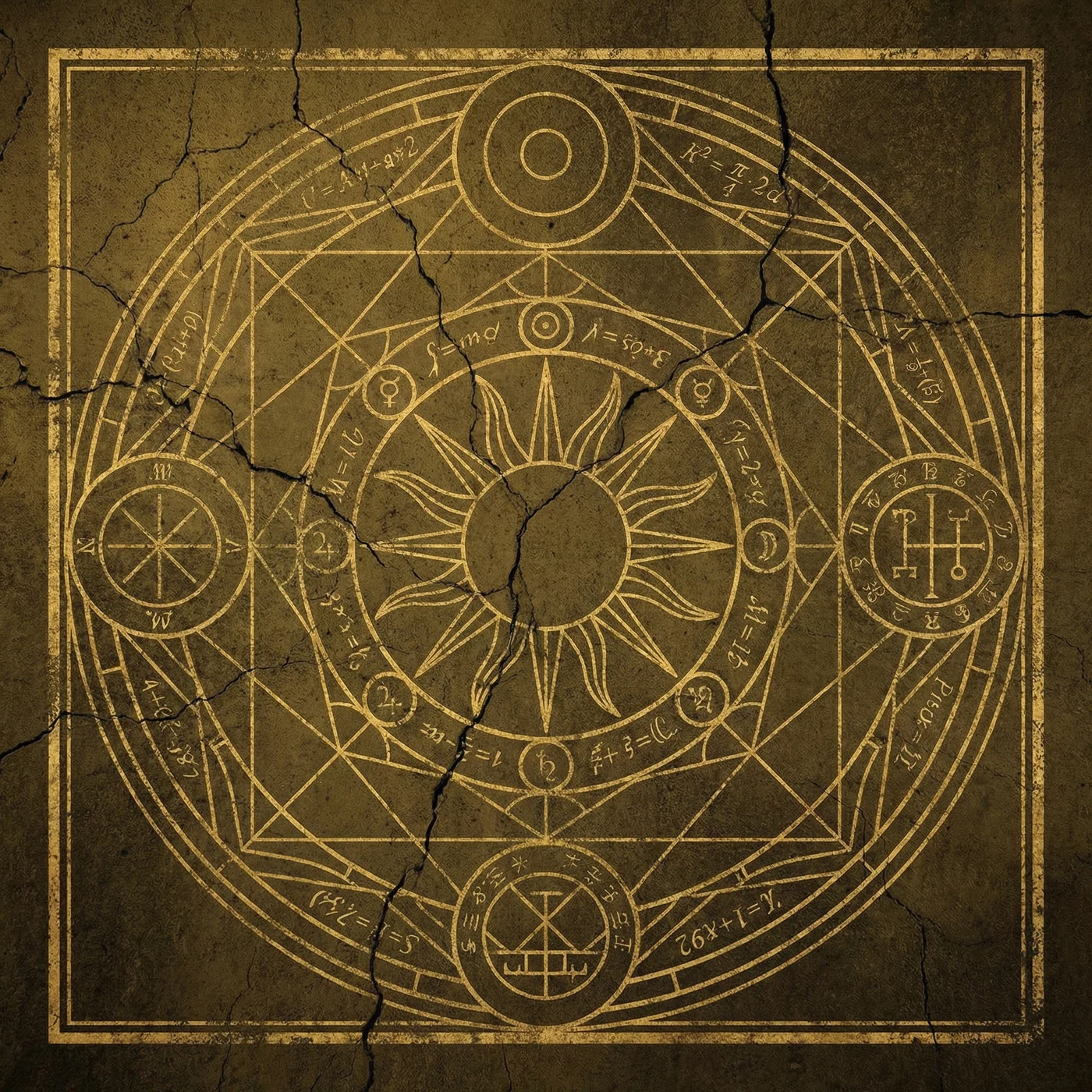
The planetary week emerges from what astrologers call the Chaldean order—a sequence based on the apparent speed of the seven classical planets as seen from Earth. Beginning with the swiftest, the Moon, and proceeding to the slowest, Saturn, the order runs: Moon, Mercury, Venus, Sun, Mars, Jupiter, Saturn. This sequence, known to Babylonian priest-astronomers three millennia ago, forms the backbone of planetary magic and the foundation of the weekly cycle.
But the days don't follow this speed-based sequence directly. Instead, they follow the pattern of planetary hours—a more intricate system where each hour of each day belongs to a different planet in the Chaldean order. The planet that rules the first hour of any given day becomes that day's ruler. If you begin with Sunday's first hour belonging to the Sun, and cycle through all seven planets hour by hour, the mathematical result produces our familiar weekly sequence: Sun-day, Moon-day, Mars-day (Tuesday, from Tiw), Mercury-day (Wednesday, from Woden), Jupiter-day (Thursday, from Thor), Venus-day (Friday, from Frigg), Saturn-day.
This isn't mere numerology. The pattern reflects a deeper understanding of how planetary influences layer and interact. Each day carries its ruling planet's signature most strongly, but every hour within that day receives additional coloring from the other six planets in their eternal rotation.
The Character of Each Governor
Monday under the Moon brings tides—not just in the oceans, but in the emotional and instinctual life. Lunarian days favor beginnings that grow organically, domestic matters, and anything requiring intuitive rather than analytical thinking. The Moon governs memory, dreams, and the spaces where public and private life intersect. Monday meetings often take on a more personal quality; conversations drift toward family, feelings, and the subtle undercurrents that analytical minds prefer to ignore.
Tuesday's Mars brings the energy of initiation through conflict and conquest. This is the day for tasks that require decisive action, physical courage, or the willingness to burn bridges. Mars doesn't negotiate or compromise—it acts. Tuesday's influence makes people more direct in their communications, quicker to anger, but also more capable of cutting through obstacles that have paralyzed them on gentler days. The day carries a military precision that can accomplish much if channeled properly, or create unnecessary conflicts if not.
Wednesday transforms the atmosphere entirely. Mercury's governance brings curiosity, communication, and the rapid movement of information. This is the day when emails multiply, conversations spark new ideas, and the mind craves variety. Mercurial energy is neither good nor bad—it simply accelerates whatever it touches. Misunderstandings happen faster on Wednesday, but so do breakthrough insights. The day favors learning, teaching, negotiating, and any activity that requires mental agility.
Jupiter claims Thursday with an expansive, generous hand. The great benefic brings opportunities, philosophical discussions, and a sense that the future holds more possibility than usual. Thursday meetings tend toward the optimistic; people make broader plans and see larger patterns. Jupiter's influence encourages teaching, publishing, legal matters, and anything that broadens understanding or reach. The day carries natural luck, but also a tendency toward overconfidence and excess.
Friday arrives under Venus with beauty, pleasure, and the magnetic power of attraction. This is the day when people pay more attention to aesthetics, when relationships either deepen or surface their tensions through the lens of desire. Venusian energy makes everything more appealing—food tastes better, art seems more moving, and social connections feel more important than work obligations. The day favors artistic creation, romantic encounters, and any activity that celebrates harmony or beauty.
Saturday's Saturn brings structure, discipline, and the sometimes harsh but necessary work of limitation. Saturnian energy compels organization, forces confrontation with postponed responsibilities, and strips away illusions. This can feel oppressive, but Saturn's gift is the solid foundation that makes future growth possible. Saturday work tends toward the practical, the long-term, and the unglamorous tasks that more glamorous planets inspire people to avoid.
Sunday returns to the Sun with themes of identity, authority, and creative self-expression. Solar energy illuminates whatever it touches—sometimes uncomfortably so. The day favors activities that strengthen the sense of self, clarify personal goals, or put individual talents on display. Sunday conversations often revolve around personal achievements, future ambitions, or the question of what truly matters to each person.
A Week in the Life of Planetary Tides
Consider how this played out in the life of Elena, a graphic designer navigating the launch of her independent studio. On Monday, she found herself drawn to organizing her workspace and researching the emotional associations of different color palettes—pure lunar activity focused on creating the right emotional container for her work. Tuesday's Mars drove her to finally send that difficult email to a former client demanding payment for overdue invoices, an action she'd been avoiding for weeks. Wednesday under Mercury brought a flood of networking conversations, three new project inquiries, and the spark of an idea for a completely different business direction.
Thursday's Jupiter encouraged her to apply for a gallery show she'd considered beyond her reach, while also inspiring her to double her usual project rates in a proposal that felt impossibly bold. Friday's Venus led her to spend hours perfecting the aesthetic details of her portfolio website, and evening brought an unexpected dinner invitation from a potential collaborator. Saturday's Saturn forced her to confront the reality that her bookkeeping was months behind, leading to a full day of organizing financial records and setting up proper business systems. Sunday's Sun brought clarity about her core creative vision and the confidence to turn down a lucrative project that didn't align with her artistic goals.
Each day's planetary influence didn't determine what happened, but it created a particular atmosphere that made certain kinds of activities feel more natural, productive, or necessary. Elena wasn't consciously following astrological timing—she was simply responsive to the subtle energetic shifts that the planetary week creates for everyone.
Working with the Weekly Rhythm
Understanding planetary days transforms time from a neutral container into a living ally. Rather than fighting against the grain of each day's natural inclination, you begin to sense when the cosmic weather supports different kinds of activities. Schedule demanding conversations for Tuesday when Mars provides courage, save creative brainstorming for Mercury's Wednesday energy, plan important launches for Thursday when Jupiter expands possibilities.
The practice isn't about rigid rules but about developing sensitivity to the subtle signatures that each planetary governor brings to its twenty-four-hour reign. Moon days feel different in your body—more fluid, more emotional, more connected to cyclical rhythms. Mars days carry a sharpness that can cut through problems or create new wounds depending on how consciously you wield that energy. Mercury days buzz with mental electricity that can produce brilliant insights or scattered confusion.
Pay attention to your own responses to each planetary day over the course of several weeks. Notice which days naturally support your most productive work, your most meaningful conversations, your clearest decision-making. The patterns that emerge will be partially personal and partially universal—your natal chart colors how you respond to each planet, but the fundamental nature of each planetary day remains consistent.
This week-by-week attention develops into a form of temporal navigation. You begin to sense not just what needs to be done, but when the planetary weather will best support each type of activity. The result is a life that flows more naturally with cosmic rhythms rather than against them, making both effort and rest more effective in their proper seasons.
The seven planetary governors offer a weekly education in the different facets of human experience. Each day teaches through its particular lens—Moon's emotional intelligence, Mars's decisive action, Mercury's quick thinking, Jupiter's expansive vision, Venus's aesthetic sensitivity, Saturn's practical discipline, Sun's creative authority. Together, they create a complete curriculum for living that repeats every seven days, offering endless opportunities to deepen your understanding of how celestial influences weave through the fabric of daily life.
For those ready to explore how these planetary patterns intersect with your unique natal blueprint, The Book of the Shadow reveals how the seven governors work within your personal astrological signature, creating a customized map for navigating not just the weekly rhythm, but the deeper cycles that shape your entire life story.