Your natal chart stands still; the sky doesn't. How moving planets wake the sleeping parts of you.
You wake one morning and the world feels different. Nothing has changed in your outer circumstances—same job, same relationships, same address—yet everything carries a new weight, a different flavor. The conversations you've been having for months suddenly feel urgent. The creative project you abandoned last spring calls to you again with surprising intensity. Your usual patience with certain people has mysteriously evaporated, replaced by a clarity that feels both liberating and unsettling.
This is the signature of a transit at work. While your birth chart remains fixed—a celestial photograph taken at the moment you drew first breath—the planets above continue their ancient dance, forming new relationships with the positions they held when you were born. These moving planets act as cosmic activators, awakening dormant potentials, highlighting buried conflicts, and opening doors that have long remained closed.
The Ancient Art of Celestial Timing
The practice of tracking transits reaches back to Babylonian court astrologers who watched the sky not merely to understand character, but to anticipate the rhythms of change. They understood that the heavens operate on multiple levels simultaneously—the fixed pattern of your nativity provides the fundamental structure, while the ever-changing positions of the wandering stars reveal when that structure will be tested, activated, or transformed.
Unlike the popular notion of astrology as character analysis, transit work is fundamentally about timing. It answers not "who are you?" but rather "when will you become who you're meant to be?" The birth chart shows your potential; transits reveal when that potential will be called forth into manifestation.
The ancient astrologers developed this art through centuries of careful observation. They noticed that when Jupiter returned to the same position it occupied at someone's birth—roughly every twelve years—expansion and opportunity marked that period. When Saturn completed its cycle—approximately every twenty-nine years—structures were tested and maturity was demanded. When Mars crossed sensitive points in the natal chart, energy and conflict emerged. These patterns proved reliable across cultures and centuries.
The Grammar of Cosmic Conversation
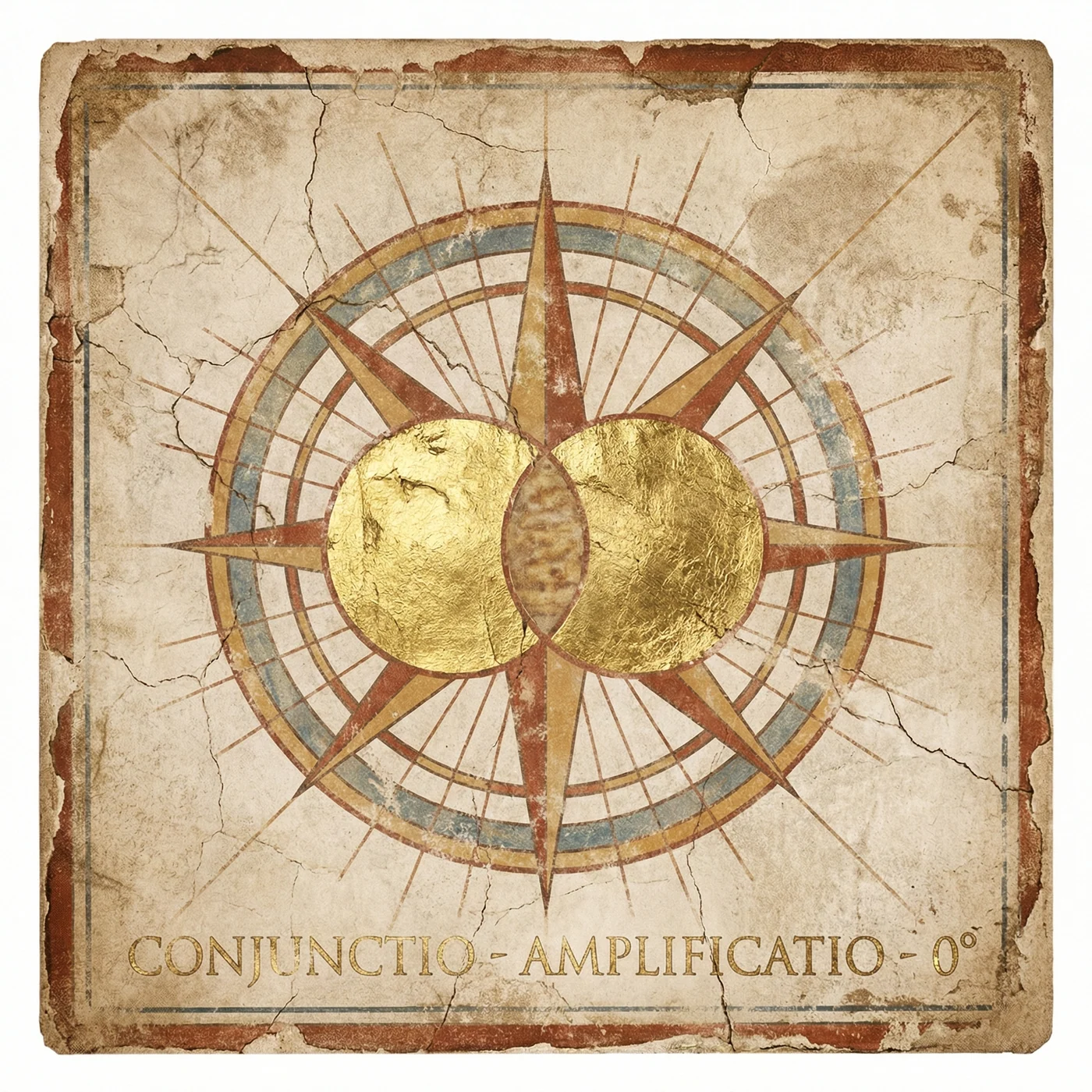
A transit occurs when a moving planet forms a geometric relationship—called an aspect—with a planet or point in your birth chart. The most powerful transits happen when planets conjunct (occupy the same degree), oppose (sit 180 degrees apart), or square (meet at 90-degree angles) your natal placements. These hard aspects create tension, demand action, and catalyze change.
The nature of the change depends on which planets are involved. When transiting Jupiter contacts your natal Sun, expansion of identity becomes possible—perhaps through new opportunities, travel, or recognition. When Saturn squares your natal Venus, relationships face tests of commitment and authenticity. When Pluto opposes your natal Moon, deep emotional transformation becomes unavoidable, often through encounters with hidden aspects of your psyche.
The speed of the transiting planet determines the duration and intensity of its influence. The Moon moves quickly, creating daily fluctuations in mood and circumstance. Mercury, Venus, and Mars operate on weekly to monthly cycles, bringing shorter bursts of mental activity, relationship dynamics, and energetic expression. Jupiter and Saturn work on yearly timescales, marking major developmental phases. The outer planets—Uranus, Neptune, and Pluto—move so slowly that their transits can last several years, marking entire epochs of personal evolution.
The Decan's Hidden Signature
While most astrologers track transits by sign and degree, a deeper layer of meaning emerges when we consider which decan—each ten-degree segment of the zodiac—is being activated. Each decan carries its own planetary ruler and archetypal image, creating a specific flavor of experience that pure degree positions cannot capture.
Consider a transit of Mars through the second decan of Scorpio, AN APPARATUS FOR MUTUAL DISTILLATION, ruled by Jupiter and connected to the Six of Cups. This isn't merely Mars in Scorpio—it's Mars working through the specific alchemy of transformation that this decan represents. The native might find themselves in situations requiring intense but mutually beneficial transformation, perhaps through therapeutic relationships or creative collaborations that demand vulnerability from all parties involved.
The apparatus suggests a controlled environment for change, while the mutual aspect implies that both participants in any process will be transformed. Jupiter's rulership adds an element of wisdom-seeking to Mars' typically aggressive nature, while the Six of Cups brings themes of pleasure found through emotional risk. When this decan is activated by transit, these specific themes will color whatever area of life is being touched.
A Transit in Full Resolution
Let me illustrate with a concrete example. Sarah, born with Venus at 15 degrees Taurus in her seventh house of partnerships, experiences a Saturn transit to this position when Saturn moves through the second decan of Taurus—A LINGA-YONI, ruled by Venus and Saturn, connected to the Six of Pentacles.
The transit begins with subtle shifts in her relationship standards. Conversations with her partner become more serious, touching on previously avoided topics of commitment and shared resources. The Linga-Yoni image suggests the sacred marriage of masculine and feminine principles, but Saturn's involvement demands that this union be tested for authenticity and sustainability.
Over the eighteen months of this transit, Sarah faces several relationship challenges. Her partner loses his job, forcing them to examine their financial interdependence—a classic Six of Pentacles theme of giving and receiving in balance. The Venus-Saturn rulership creates a tension between love and duty, pleasure and responsibility. Rather than the easy affection that has characterized their relationship, they must now build something more durable.
The crisis deepens when Sarah discovers her partner has been hiding debt, bringing Saturn's demand for honesty into sharp focus. The Linga-Yoni image reveals its shadow side—sacred union requires complete transparency, which their relationship has lacked. They enter couples therapy, beginning the slow work of rebuilding trust.
By the transit's end, their relationship has been completely reconstructed. They've developed new systems for financial transparency, emotional communication, and shared decision-making. The easy romance has matured into something more substantial—still loving, but now grounded in tested commitment. The Six of Pentacles has taught them how to give and receive support without keeping score, while the decan's sacred marriage imagery has guided them toward a more conscious partnership.
Working Consciously with Transit Energies
The most important principle for working with transits is conscious cooperation. Transits will manifest their essential nature whether you participate actively or passively, but conscious engagement allows you to direct their expression toward constructive outcomes rather than simply enduring whatever emerges.
When you know a challenging transit is approaching, preparation becomes possible. A Saturn square to your natal Sun suggests a period when your identity and authority will be tested. Rather than waiting for external circumstances to force this confrontation, you might proactively examine areas where you've been avoiding responsibility or living inauthentically. You might take on new challenges that require you to develop the very qualities Saturn demands—discipline, patience, and mature judgment.
During active transits, pay attention to the themes that emerge repeatedly in your life. If Jupiter is transiting your fourth house, themes of home, family, and emotional security will be highlighted. Rather than simply hoping good things happen to your domestic situation, you might actively work to expand your living space, reconnect with family members, or create a more nurturing home environment.
The decan imagery provides particularly rich material for conscious work. If a transit activates THE HAMMER AND THE ANVIL of Virgo II in your tenth house of career, you might visualize yourself as a skilled craftsperson forging your professional identity through patient, repeated effort. The image suggests that pressure and resistance are necessary for creating something valuable and enduring.
The most profound transit work involves ritual and symbolic action. During a Pluto transit to your natal Mercury, you might perform a ceremony of releasing old thought patterns, perhaps by writing down limiting beliefs and burning them during the dark moon. When Venus transits your natal Jupiter, you might create beauty rituals that honor expansion and growth in your relationships.
Living in Time's Current
Transit work transforms astrology from a static personality system into a dynamic tool for conscious evolution. Your birth chart reveals your potential; transits show you when and how that potential will be called forth into manifestation. This creates a partnership between fate and free will—the timing is given, but your response remains your choice.
The most skilled practitioners of transit work develop a sense of cosmic timing that allows them to flow with celestial currents rather than fighting against them. They learn when to push forward and when to consolidate gains, when to begin new projects and when to complete old ones, when to seek solitude and when to engage with others.
This attunement to cosmic timing doesn't make you passive to celestial influences—quite the opposite. It allows you to become an active participant in your own unfolding, working with the universe's rhythms rather than against them. You begin to sense when the conditions are right for major life changes, when relationships are ready to deepen, when career moves will find support from larger forces.
Understanding your personal transit cycles also provides perspective during difficult periods. When you know that a challenging Saturn transit will last two years but will ultimately strengthen whatever it touches, you can endure temporary restrictions with greater patience. When you understand that Pluto's transformation process unfolds over many years, you can allow deep changes to emerge at their own pace rather than forcing premature resolutions.
The transit-aware life becomes a conversation between your conscious will and cosmic timing, between your personal desires and the larger patterns that shape human experience. This conversation doesn't diminish your agency—it expands it by revealing the optimal moments for different kinds of action and growth.
Your personal astrological year is a unique symphony of transiting influences, each planet adding its voice to the cosmic conversation. The Book of Your Year maps these celestial currents with precision, showing you not just what energies will be active, but when they'll peak, how they'll interact with each other, and what possibilities they'll create for your conscious participation in your own becoming.